
Law
The Role of School Leadership in Building a Bully-Free Environment

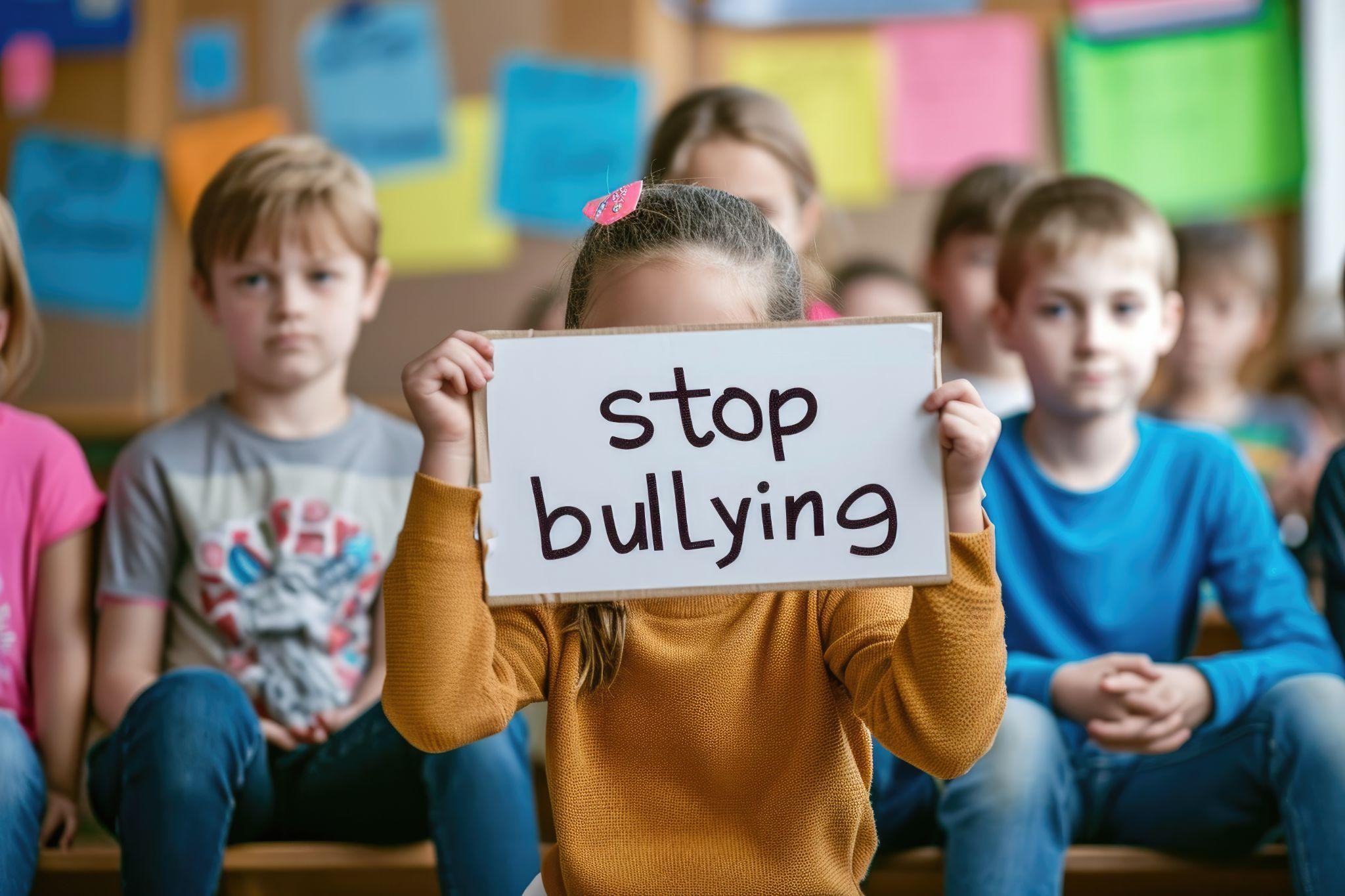
Building a positive, inclusive and secure learning community is the core of every successful school community. Although the contribution of teachers, parents, or students is crucial to some extent, the key factor that will influence the long-term change is good leadership. Once school administrators proactively engage in stopping bullying in schools, they establish a personality that is representative of the entire culture, in which students feel cherished, safe and empowered.
The leadership in school is far beyond operation management, it is more to do with the creation of beliefs, values, and behaviour that shape day-to-day interactions. An environment free of bullies does not come by chance. It involves deliberate effort, purposeful intention and dedication to care in regard to students well-being. This is how school leaders could make a difference.
Creating a Vision of Zero Tolerance
A vision is the starting point of a bully-free school. The leaders should convey the idea that bullying at school is unacceptable, and any acts of aggression, including verbal, physical, social, and digital aggression, are not something they should overlook. This vision must be apparent in school policies, staff meetings, parent communication and day-to-day interactions of students.
The constant reinforcement of expectations by administrators sends a strong signal: there can be no safety and respect issues. Students feel more assured to report cases of bullying to the system when they understand that leadership is strongly against bullying.
Introduction of Comprehensive Anti-Bullying Policies
A decent policy does not just describe the consequences, but it should explain the procedures, explicitly define bullying and make clear what the staff should do. The school leaders should make sure that their anti-bullying policy is:
- Evidence-based
- Student-friendly and parent-friendly.
- Consistently enforced
- Revised on a regular basis depending on the emerging issues, e.g., cyberbullying.
An effective policy advocates responsibility. It removes ambiguity about what constitutes bullying and enhances fairness in responding to incidents.
Prioritising Staff Training and Awareness
To bring any substantial change, the teachers, counsellors and support staff should be in a position to detect and prevent bullying in schools effectively. Leadership is vital in offering continuous professional growth that comprises of
Recognising early warning signs
- Intervening in a calm, constructive manner
- Supporting victims compassionately
- Documenting incidents accurately
The front line of defence of the school is made up of well-trained members of staff, and ongoing training can enable them to be consistent in the classroom, hallways, playgrounds and even online platforms.
Providing Anti-Bullying Training for Students
To avoid bullying, students should be provided with the corresponding skills and awareness. Anti-bullying training among students that can be promoted by school leadership would teach:
What bullying looks like
- Safety in intervening as an upstander.
- How to seek help
- The way to develop empathy and respect
- Effective conflict management
Proper anti-bullying education among students transforms bystanders within the school bystanders into allies and makes them feel like they have a contribution to the social climate in the school. Once students know the limits and penalties, they will be engaged in the establishment of an excellent environment.
Training Respectful Behaviour at All Levels
The leadership is the role model for the whole school. Administrators that are empathetic, fair, inclusive, and patient demonstrate to the students and staff how they should treat each other. Being an example of respectful communication and problem-solving fosters trust and builds relationships.
Leaders develop a ripple effect whether they are attempting to resolve a parent issue, discussing student behaviour or even communicating with staff. When respect is modelled consistently, it becomes part of the school’s culture.
Establishing Strong Communication Channels
To prevent and react to bullying in schools, open communication is necessary. The school leaders should make sure that students and parents feel free to report the incidents without fear of being retaliated against or embarrassed.
This can be achieved by:
- Offering anonymous reporting systems.
- Encouraging students to speak openly with counsellors
- Hosting parent workshops
- Keeping communication lines open regarding the policies and resolutions.
The greater the availability of the communication channels, the higher the chances that students will report any issues in time before the problems become bigger.
Creating Inclusive and Supportive School Programs
Inclusivity will minimise the chances of bullying. School leaders are able to combine programs that uphold social-emotional learning, community-building programs, mentorship programs, and peer-support circles. Such programs help students in empathetic building, as well as making healthy relationships.
Leaders who invest in student clubs, diversity campaigns, and positive behaviour programs nurture a school culture where every child feels like they belong.
Following, Assessing, and Refining Policies
The best-planned initiatives require an assessment. The leaders are also advised to continually monitor the statistics on the number of cases of bullying, surveys among students, attendance trends, and behavioural issues. Analysis of this data assists in finding out:
- Areas of hotspots of bullying
- The groups that need additional help
- Gaps in policy enforcement
- Cyberbullying or social conflict trends
The school leaders use data to improve strategies so that their anti-bullying initiatives are efficient and up-to-date.
Protecting the Victims and Rehabilitating Aggressors
The purpose of tackling bullying in schools is not to eliminate the detrimental activity but to help all students involved. Counseling, restorative practices, and behaviour improvement plans should be welcomed by the leadership. Victims require emotional and academic assistance, and aggressors require instruction, treatment, or training in social skills.
The holistic approach based on compassion avoids similar cases and enhances emotional development in the long term.
Final thoughts
School leadership is the backbone of every effort to combat bullying in schools. Through strong policies, clear communication, staff training, and anti-bullying training for students, administrators can transform the school environment into one where safety, empathy, and respect thrive. Students will feel supported when the leaders dedicate their efforts to establish a bully-free culture, and a positive and thriving learning community can be created.

Tren Twins Height: Introduction and Popularity

Johnny Depp Net Worth: Earnings Breakdown and Career Highlights

Ricki Lake Net Worth: How She Built Her Fortune Over the Years

Taj Cross Age: Everything You Need to Know About the Rising Star

Nathan Fillion Net Worth: How He Built His Fortune Over Time

Nicholas Hoult Wife: Relationship History and Current Status

Jordan C. Brown Net Worth: A Comprehensive Look at His Career, Wealth, and Influence

Matthew Gray Gubler Net Worth: How He Built His Fortune Over the Years

Mandy Patinkin Wife: Love, Family, and Marriage Details

Sam Sulek Net Worth: How the YouTube Star Built His Digital Empire
Tren Twins Height: Introduction and Popularity
Johnny Depp Net Worth: Earnings Breakdown and Career Highlights
Ricki Lake Net Worth: How She Built Her Fortune Over the Years
Taj Cross Age: Everything You Need to Know About the Rising Star
Nathan Fillion Net Worth: How He Built His Fortune Over Time
Nicholas Hoult Wife: Relationship History and Current Status
Jordan C. Brown Net Worth: A Comprehensive Look at His Career, Wealth, and Influence
Matthew Gray Gubler Net Worth: How He Built His Fortune Over the Years
Mandy Patinkin Wife: Love, Family, and Marriage Details
Sam Sulek Net Worth: How the YouTube Star Built His Digital Empire
-

 Celebrity1 year ago
Who Is Steve Cena? All About John Cena’s Brother and His Life
-

 Celebrity12 months ago
Who Is Drew Pritchard? TV Presenter, Antique Dealer & Rebecca Pritchard’s Ex-Husband
-

 Celebrity1 year ago
Who is Nadia Farmiga? All You Need to Know About Vera Farmiga’s Sister
-

 Uncategorized1 year ago
Who is Janet Gayle? All About Gary Burghoff’s Ex-Wife