
Sports
Players on Trade Block NBA Teams May Move Before the Deadline

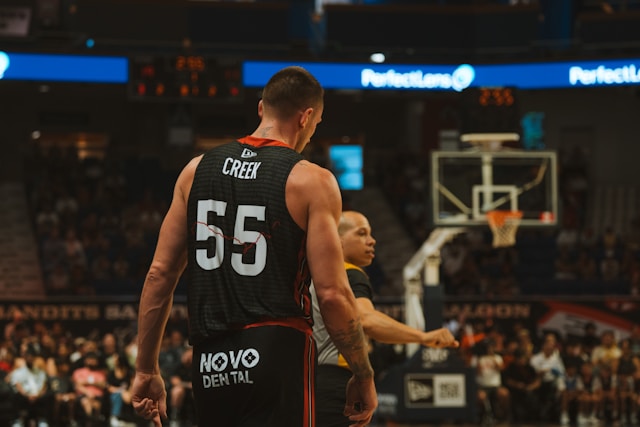
As the NBA season progresses and teams begin to evaluate their chances of making a playoff push or starting a rebuild, the conversation around players on trade block NBA circles intensifies. Every year, certain stars, role players, and veterans find themselves in the spotlight, rumored to be on the move as front offices retool rosters in hopes of competing now or building for the future.
The trade deadline isn’t just about blockbuster moves—it’s about cap flexibility, draft picks, fit, and long-term strategy. Understanding who is available and why they might be moved gives fans a clearer picture of how the league could shift in the coming months.
In this article, we’ll break down the top names on the NBA trade block, explore potential trade scenarios, explain the logic behind each possible move, and assess the impact these trades could have on playoff races and team-building strategies.
Why the NBA Trade Block Is Heating Up
With the trade deadline looming, GMs are under increasing pressure to either double down on their current roster or pivot toward a new direction. Several key factors drive the movement on the trade block each season:
- Underperforming teams looking to reset
- Star players seeking better fits or market exposure
- Teams clearing salary cap space
- Organizations looking to add draft capital
- Contenders seeking that final piece
The 2024–25 NBA season has already seen unexpected surges and disappointing starts. This competitive imbalance has created a perfect storm for major transactions, increasing focus on the players on trade block NBA insiders are monitoring closely.
Top Players on the NBA Trade Block Right Now
Let’s examine the most prominent names currently involved in trade rumors and break down why each is a candidate to be moved.
Dejounte Murray – Atlanta Hawks
Dejounte Murray is one of the most talented two-way guards in the league, but the fit alongside Trae Young has not met expectations. While his individual production has remained solid, the Hawks’ overall struggles have led to speculation that Murray could be moved to reset their backcourt.
Stats Snapshot:
PPG: 20.8 | APG: 5.9 | RPG: 4.3 | FG%: 47.1
Why He’s on the Block:
- Doesn’t perfectly complement Trae Young
- Big contract extension kicks in soon
- Atlanta wants to reconfigure roster balance
- Strong trade value due to age and skillset
Potential Destinations:
Lakers, Knicks, Heat
Also Read This:- Davante Adams Takes Swipe at Bears: Rivalry Ignites
Malcolm Brogdon – Portland Trail Blazers
Brogdon is a former Sixth Man of the Year who brings leadership, shooting, and poise. As Portland continues its youth movement, Brogdon’s timeline doesn’t align with the team’s current focus on development.
Stats Snapshot:
PPG: 15.1 | APG: 5.4 | 3P%: 39.6
Why He’s on the Block:
- Veteran on a rebuilding team
- Valuable contract for contenders
- Provides steady production and playoff experience
Potential Destinations:
Bucks, Timberwolves, Clippers
Bojan Bogdanović – Detroit Pistons
Bogdanović is one of the most consistent scoring forwards in the league. While his injury slowed down trade talks early in the season, his value has rebounded. Detroit is rebuilding and can extract valuable draft capital or young players in exchange.
Stats Snapshot:
PPG: 16.9 | 3P%: 40.4
Why He’s on the Block:
- Veteran presence on a rebuilding team
- Valuable shooter for any playoff contender
- High basketball IQ and positional versatility
Potential Destinations:
Lakers, Mavericks, Pelicans
Buddy Hield – Indiana Pacers
One of the best volume shooters in the league, Hield continues to be a prime trade candidate. His ability to stretch the floor makes him attractive to teams lacking perimeter scoring.
Stats Snapshot:
PPG: 12.5 | 3P%: 38.9 | MPG: 24.7
Why He’s on the Block:
- Contract expiring
- Pacers focused on youth
- Contenders value his shooting
Potential Destinations:
76ers, Celtics, Warriors
Dorian Finney-Smith – Brooklyn Nets
A prototypical 3-and-D forward, Finney-Smith is a player multiple teams are watching closely. Brooklyn is in asset-accumulation mode and willing to move veterans for picks.
Stats Snapshot:
PPG: 9.3 | RPG: 4.6 | 3P%: 36.8
Why He’s on the Block:
- Doesn’t fit long-term vision
- Strong defender and playoff-ready
- Highly movable contract
Potential Destinations:
Kings, Nuggets, Bucks
Deandre Ayton – Portland Trail Blazers
Ayton’s tenure with Portland has been rocky. Despite his talent, questions about effort and consistency persist. Still, his size and skillset keep him on trade watchlists.
Stats Snapshot:
PPG: 13.4 | RPG: 10.9 | FG%: 55.3
Why He’s on the Block:
- Expensive contract
- Doesn’t fit culture in Portland
- Teams still believe in his upside
Potential Destinations:
Hornets, Wizards, Spurs
John Collins – Utah Jazz
Traded to Utah last offseason, Collins has not found a consistent role. With the Jazz rebuilding and possessing multiple forwards, Collins may be flipped for assets or expiring deals.
Stats Snapshot:
PPG: 14.2 | RPG: 8.1 | FG%: 52.8
Why He’s on the Block:
- Redundant positionally in Utah
- Decent contract but limited impact
- Teams need frontcourt depth
Potential Destinations:
Bulls, Raptors, Thunder
Other Notable Trade Candidates
These players may not headline deals but are likely to be part of rotations post-deadline.
- Terry Rozier (Hornets) – Scoring guard with long-term deal
- Bruce Brown (Raptors) – Recently acquired but could be rerouted
- Jerami Grant (Blazers) – Has trade value if Portland opens up
- Tyus Jones (Wizards) – Steady PG with expiring contract
- Kelly Olynyk (Jazz) – Veteran big man with playoff experience
Key Trade Rumor Trends Across the League
As the deadline nears, patterns are forming around how teams are approaching deals. These trends shape the players on trade block NBA fans are reading about daily.
Also Read This:- Newcastle United vs. Chelsea: Premier League Showdown, Tactical Preview, and Key Analysis
Emphasis on Cap Flexibility
Teams are cautious with long-term financial commitments due to the harsher penalties in the new CBA. Players on short-term or expiring contracts are more likely to move.
Defensive Specialists in Demand
The playoffs often come down to half-court defense and switching versatility. Wings who can defend multiple positions are highly valued in this year’s market.
Draft Picks Are Premium Currency
Rebuilding teams are aggressively seeking picks. First-round selections—even those with protections—can drive up the asking price for even mid-level players.
Multi-Team Deals Are Gaining Momentum
To satisfy complex trade requirements, multiple teams are entering negotiations together. This allows for creative solutions and better matches of needs and salaries.
Strategic Advice for Contending Teams
For playoff hopefuls, acquiring the right player could be the difference between a second-round exit and a Finals run. Here are tips based on trade history and roster needs:
- Prioritize fit over flash: Not every trade needs to be a blockbuster. Adding a reliable wing defender or stretch big may offer more impact than chasing a fading star.
- Consider chemistry and leadership: Some of the most successful trades bring in high-character players who boost morale and culture.
- Don’t overlook injury insurance: Depth matters in the postseason. Teams should ensure they have playoff-ready backups at every key position.
- Balance short- and long-term goals: Overpaying for a rental can backfire. Contenders should focus on deals that help now without jeopardizing the future.
Rebuilding Teams: How to Maximize Trade Value
For teams not competing this season, the deadline is an opportunity to build for the future. Here’s how to approach it:
- Sell high on veterans with expiring or team-friendly contracts
- Use cap space as a tool to absorb bad contracts and gain draft picks
- Prioritize young players with upside over just cap relief
- Be willing to take on multiyear deals if it nets additional assets
Examples of High-Impact Midseason Trades in Recent Years
Looking back helps illustrate the importance of trade-deadline moves:
- 2023: Rui Hachimura to the Lakers – Gave LA a versatile forward who contributed in key playoff games
- 2022: Tyrese Haliburton to Indiana – Transformed the Pacers’ rebuild
- 2021: Jrue Holiday to the Bucks – Helped Milwaukee win the championship
- 2019: Marc Gasol to the Raptors – Crucial for Toronto’s title run
These deals didn’t always involve the biggest names, but they were made with precision and strategy.
Challenges in Moving Players on the Trade Block
Even with interest, several factors can stall deals:
- Contract size or structure: Some players have poison-pill or trade kicker clauses
- Injury history: Teams may hesitate to invest in players with health concerns
- Chemistry risks: Franchises are wary of disrupting locker room balance
- Market competition: Multiple teams pursuing the same target drives up prices
These elements require skilled negotiation and creative front office work to navigate.
Conclusion
The growing list of players on trade block NBA fans and insiders are monitoring reveals a league constantly in motion. Trades can redefine franchises, shift playoff races, and open doors for breakout stars. Whether it’s a big-name guard, a 3-and-D wing, or a veteran big man, every transaction has ripple effects across the league.
As the deadline draws closer, expect more rumors, more negotiations, and ultimately, more movement. Teams know the stakes—and the smartest organizations will seize the opportunity.
FAQs
Q: What does it mean to be on the NBA trade block?
A: It means a player is available for trade, either actively being shopped or open for discussion in deals by their team.
Q: When is the NBA trade deadline?
A: The deadline typically falls in early February, often around the second week of the month.
Q: Are all players on the trade block unhappy with their team?
A: Not necessarily. Many are moved for strategic, financial, or roster-building reasons, not due to dissatisfaction.
Q: Can teams trade players with long-term contracts?
A: Yes, but it’s more complex. The size, length, and clauses in the contract affect trade feasibility.
Q: What is the difference between a rental and a long-term acquisition?
A: A rental refers to a player in the final year of their contract, while a long-term acquisition is under team control for multiple seasons.
More Info And Buzz Visit: Dodge Buzz

Tren Twins Height: Introduction and Popularity

Johnny Depp Net Worth: Earnings Breakdown and Career Highlights

Ricki Lake Net Worth: How She Built Her Fortune Over the Years

Taj Cross Age: Everything You Need to Know About the Rising Star

Nathan Fillion Net Worth: How He Built His Fortune Over Time

Nicholas Hoult Wife: Relationship History and Current Status

Jordan C. Brown Net Worth: A Comprehensive Look at His Career, Wealth, and Influence

Matthew Gray Gubler Net Worth: How He Built His Fortune Over the Years

Mandy Patinkin Wife: Love, Family, and Marriage Details

Sam Sulek Net Worth: How the YouTube Star Built His Digital Empire
Tren Twins Height: Introduction and Popularity
Johnny Depp Net Worth: Earnings Breakdown and Career Highlights
Ricki Lake Net Worth: How She Built Her Fortune Over the Years
Taj Cross Age: Everything You Need to Know About the Rising Star
Nathan Fillion Net Worth: How He Built His Fortune Over Time
Nicholas Hoult Wife: Relationship History and Current Status
Jordan C. Brown Net Worth: A Comprehensive Look at His Career, Wealth, and Influence
Matthew Gray Gubler Net Worth: How He Built His Fortune Over the Years
Mandy Patinkin Wife: Love, Family, and Marriage Details
Sam Sulek Net Worth: How the YouTube Star Built His Digital Empire
-

 Celebrity1 year ago
Who Is Steve Cena? All About John Cena’s Brother and His Life
-

 Celebrity12 months ago
Who Is Drew Pritchard? TV Presenter, Antique Dealer & Rebecca Pritchard’s Ex-Husband
-

 Celebrity1 year ago
Who is Nadia Farmiga? All You Need to Know About Vera Farmiga’s Sister
-

 Uncategorized1 year ago
Who is Janet Gayle? All About Gary Burghoff’s Ex-Wife