
Tech
GM Apple CarPlay Retrofit Kit Removal: What Happened and What It Means for Owners

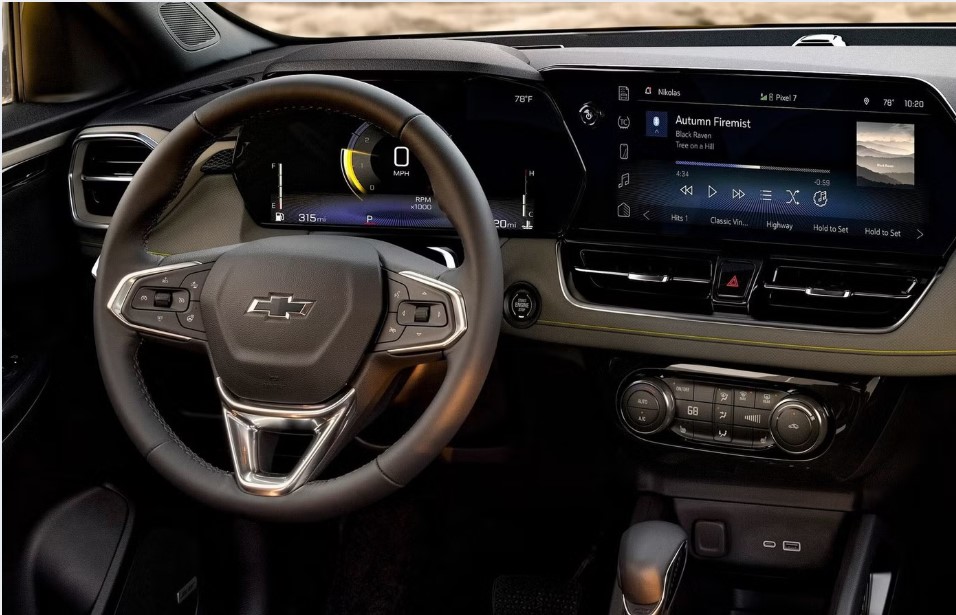
When General Motors (GM) made the controversial decision to phase out Apple CarPlay and Android Auto from its new electric vehicles, many owners were left frustrated. But one company, White Automotive, stepped up with a retrofit kit that promised to restore these popular smartphone integration features to GM’s Ultium-based EVs. The kit gained traction fast—until GM intervened. Now, the GM Apple CarPlay retrofit kit removal is making headlines as GM shuts down the only dealer-approved installation channel, forcing the aftermarket solution out of the market.
In this detailed guide, we’ll explore why GM pulled the plug, what this means for existing kit owners, whether it’s safe to uninstall the system, and what alternatives—if any—are left for CarPlay enthusiasts driving GM’s latest EVs.
Understanding the GM Apple CarPlay Retrofit Kit
Before diving into the reasons behind the discontinuation, it’s crucial to understand what the Apple CarPlay retrofit kit was and how it functioned.
What Was the Retrofit Kit?
White Automotive & Media Services introduced a comprehensive aftermarket retrofit kit in November 2024, targeted specifically at GM’s latest electric models built on the Ultium platform, including:
- Chevrolet Blazer EV
- Chevrolet Equinox EV
- Chevrolet Silverado EV
- GMC Sierra EV
- Cadillac Lyriq
The kit allowed for both wired and wireless Apple CarPlay and Android Auto integration, which was notably missing from GM’s new infotainment system. The retrofit extended to the infotainment display, digital instrument cluster, and even the heads-up display. Voice assistants like Siri and Google Assistant were also fully operational, mimicking native factory integration.
However, the kit was not intended for DIY installation. Its complexity required trained dealership technicians for proper integration and calibration—raising both logistical and legal concerns.
Why Did GM Order the Retrofit Kit to Be Removed?
Official Reason: Safety and Software Stability
According to a GM spokesperson, the primary concern behind the removal was safety and software integrity:
GM’s internal investigation found that the kit could interfere with critical vehicle functions, including potential interactions with driver-assist systems and future OTA (over-the-air) software updates. Essentially, the kit accessed proprietary vehicle systems not meant for third-party manipulation.
Legal and Warranty Concerns
By installing the retrofit, customers were potentially violating GM’s warranty terms, especially if the hardware or software caused malfunctions. While dealerships can use aftermarket parts like tires or accessories, altering the vehicle’s software or safety systems without OEM approval crosses a critical line.
This led GM to instruct LaFontaine Chevrolet—the only dealership officially installing the kits—to immediately cease all related services. With that directive, White Automotive was left without a distribution channel and had to discontinue the product entirely.
Also Read This:- How to Handle Water-Damaged Phones Without Overpromising
Timeline of Events: How the Kit Was Removed
- November 2024: White Automotive announces the retrofit kit for Ultium-based GM EVs.
- Late 2024: LaFontaine Chevrolet begins installing the kits under strict technical guidelines.
- Early 2025: GM investigates the integration and determines that it poses software and safety risks.
- Mid-2025: GM instructs LaFontaine to halt all installations.
- November 2025: White Automotive discontinues the kit and removes it from their website.
What Happens If You Already Installed the Retrofit Kit?
This is where things get murky.
Support Is Unavailable
White Automotive has made it clear they will not provide support for the kits currently in use. When asked by media outlets, the company refused to give information regarding servicing, future compatibility, or warranty impacts, instead referring all inquiries to the dealership.
LaFontaine Chevrolet also appears to be unwilling to assist. Journalists attempting to reach their service department were either redirected or hung up on. This lack of after-sales support leaves current users in a precarious position.
Potential Software Conflicts
Because the kit is not sanctioned by GM, any future software updates—especially over-the-air patches or enhancements—could break the retrofit system or cause unforeseen issues. This could range from:
- Non-functional infotainment screens
- Malfunctioning digital gauges
- Voice assistant errors
- Potential conflicts with ADAS (Advanced Driver Assistance Systems)
Warranty Voidance Risk
GM has not formally declared that warranties will be voided for all vehicles with the kit installed, but their statement suggests that affected systems may not be covered if damage or malfunction results from the retrofit.
Should You Remove the Retrofit Kit?
If you’re among the early adopters who had the kit installed, you’re now facing a tough decision: keep the system running and risk software conflicts—or remove it altogether.
Pros of Removing the Kit
- Restores OEM compatibility: Ensures the vehicle operates only on GM-approved software.
- Eliminates safety and reliability risks.
- Potentially preserves warranty protection.
Cons of Removing the Kit
- Loss of CarPlay and Android Auto functionality, a major driver convenience feature.
- High cost of removal—especially if done by professionals.
- No official procedure exists for safe removal, meaning risks may remain even post-uninstall.
The Technical Challenges of Removal
Removing the retrofit kit isn’t as straightforward as unplugging a USB device. Since the system is deeply integrated into the vehicle’s infotainment architecture, uninstalling it incorrectly could:
- Leave digital systems in a non-functional state
- Disrupt essential vehicle operations
- Lead to error codes or check engine lights
- Require reprogramming of the ECU or head unit
Also Read This:- Coyyn.com Innovation: Revolutionizing the Digital Space
Recommended Steps for Safe Removal
- Contact the Installing Dealer (if possible): Even if LaFontaine is no longer offering installs, they may still provide removal assistance.
- Avoid DIY Solutions: Unless you are highly experienced in automotive software, attempting removal yourself could damage vehicle systems.
- Consult a Certified GM Technician: GM-certified shops may be able to perform a diagnostic and help restore factory settings.
Why Did GM Drop Apple CarPlay and Android Auto in the First Place?
Many consumers remain puzzled about GM’s original decision to remove support for Apple CarPlay and Android Auto. Here’s what’s behind the shift.
GM’s Vision for In-Vehicle Software
GM is heavily investing in custom in-car software experiences powered by Google Automotive Services (GAS). The move is part of a broader strategy to:
- Control user experience and data
- Enable recurring revenue through subscription services
- Integrate EV-specific features like route planning, battery optimization, and charging station locations directly into native apps
Industry Trend or Strategic Misstep?
While Tesla famously doesn’t support CarPlay or Android Auto, other automakers like Ford and Hyundai continue to offer them. Critics argue that GM is prioritizing revenue over user preference, especially as smartphone projection remains a top priority for many drivers.
Alternative Solutions for CarPlay in GM EVs
With the retrofit kit discontinued, options are limited but not entirely gone.
Use a Smartphone Mount and Voice Assistant
While clunky, a well-positioned mount combined with Siri or Google Assistant can somewhat replicate basic features like navigation, music control, and hands-free texting.
Look Into Wireless CarPlay Adapters (Not Recommended)
Several third-party adapters claim to enable CarPlay in unsupported systems. However, these are not compatible with GM’s new infotainment architecture and may pose the same safety and warranty risks as the now-discontinued retrofit.
Wait for Market Response
Given the backlash, it’s possible GM may revise its strategy or offer an official alternative in the future. For now, patience may be the best option for tech-focused GM owners.
Conclusion
The GM Apple CarPlay retrofit kit removal reflects a deeper tension in the automotive industry: who controls the in-car digital experience—automakers or consumers? While White Automotive tried to bridge the gap for frustrated EV owners, GM’s swift intervention highlights the risks of modifying proprietary systems.
If you’ve already installed the retrofit, proceed with caution. Consider professional removal if you experience issues or want to preserve your vehicle’s warranty. For prospective buyers or tinkerers, the message is clear: when it comes to software, GM is drawing a hard line, and CarPlay may be gone for good—at least officially.
FAQs
Q1: Is it legal to keep the retrofit kit installed in my GM EV?
It’s not illegal, but it may violate GM’s terms and void parts of your warranty if issues arise.
Q2: Can I still get the retrofit kit installed somewhere else?
No. White Automotive has discontinued the product, and GM has prohibited authorized dealers from installing it.
Q3: Will future GM vehicles ever support CarPlay again?
There’s no official word, but GM appears committed to its proprietary infotainment system powered by Google.
Q4: Is it safe to remove the retrofit kit myself?
No. Due to the kit’s deep system integration, professional removal is highly recommended.
More Info And Buzz Visit: Dodge Buzz

Tren Twins Height: Introduction and Popularity

Johnny Depp Net Worth: Earnings Breakdown and Career Highlights

Ricki Lake Net Worth: How She Built Her Fortune Over the Years

Taj Cross Age: Everything You Need to Know About the Rising Star

Nathan Fillion Net Worth: How He Built His Fortune Over Time

Nicholas Hoult Wife: Relationship History and Current Status

Jordan C. Brown Net Worth: A Comprehensive Look at His Career, Wealth, and Influence

Matthew Gray Gubler Net Worth: How He Built His Fortune Over the Years

Mandy Patinkin Wife: Love, Family, and Marriage Details

Sam Sulek Net Worth: How the YouTube Star Built His Digital Empire
Tren Twins Height: Introduction and Popularity
Johnny Depp Net Worth: Earnings Breakdown and Career Highlights
Ricki Lake Net Worth: How She Built Her Fortune Over the Years
Taj Cross Age: Everything You Need to Know About the Rising Star
Nathan Fillion Net Worth: How He Built His Fortune Over Time
Nicholas Hoult Wife: Relationship History and Current Status
Jordan C. Brown Net Worth: A Comprehensive Look at His Career, Wealth, and Influence
Matthew Gray Gubler Net Worth: How He Built His Fortune Over the Years
Mandy Patinkin Wife: Love, Family, and Marriage Details
Sam Sulek Net Worth: How the YouTube Star Built His Digital Empire
-

 Celebrity1 year ago
Who Is Steve Cena? All About John Cena’s Brother and His Life
-

 Celebrity12 months ago
Who Is Drew Pritchard? TV Presenter, Antique Dealer & Rebecca Pritchard’s Ex-Husband
-

 Celebrity1 year ago
Who is Nadia Farmiga? All You Need to Know About Vera Farmiga’s Sister
-

 Uncategorized1 year ago
Who is Janet Gayle? All About Gary Burghoff’s Ex-Wife