
Business
Conference Tables: All About Modern Designs for Productive Meeting Spaces

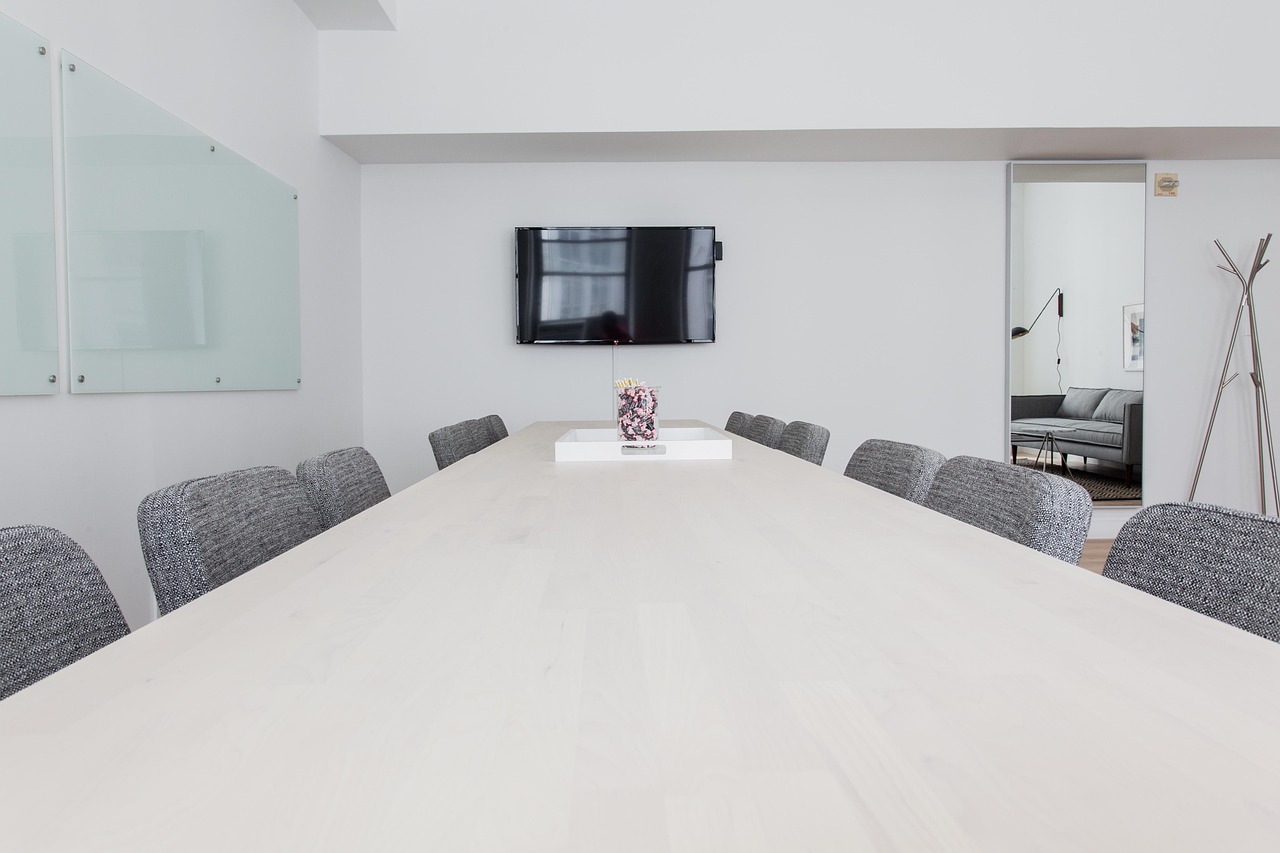
Conference tables play a central role in every meeting room, shaping the way people collaborate, communicate, and make decisions. A modern workplace relies on a table that is not just functional, but also aligned with today’s design trends, technology needs, and ergonomic standards. In this article, you’ll learn everything about conference tables, from their history to design options, materials, layouts, and how to choose the right one for your space.
A Brief History of Conference Tables
The evolution of conference tables reflects the evolution of business itself. Early versions emerged during the industrial boom when companies required a solid, sizable surface for board meetings. Traditional designs featured heavy hardwood, ornate legs, and polished finishes symbolizing power and formality. As office culture changed, conference furniture shifted toward modern, collaborative, and minimalist ideas. Today’s tables emphasize accessibility, technology integration, modularity, and flexibility, fitting the fast-paced and dynamic nature of modern work environments.
Modern workplaces no longer need tables only for executive meetings. They need adaptable solutions for brainstorming, presentations, hybrid meetings, digital collaboration, and training. This shift has led to lightweight frames, scratch-resistant laminates, mobile configurations, and smarter designs that suit a wide variety of settings.
Types of Conference Tables (Shapes, Styles, Sizes)
Choosing the right conference table means understanding the shapes and styles available. Each type offers a unique advantage depending on the meeting purpose, room size, and aesthetic goals.
Rectangular tables remain the most common because they maximize seating and provide a clean, structured layout. Oval and racetrack shapes soften the look while still allowing many participants to sit comfortably. Round and square tables work perfectly for small teams, promoting unity and face-to-face communication.
More progressive offices opt for boat-shaped tables, which slightly widen at the center, improving sightlines during presentations. Meanwhile, modular conference tables allow you to rearrange pieces into U-shapes, L-shapes, or training layouts, ideal for multipurpose rooms.
Sizes vary significantly, from compact 6-foot models to 20-foot executive tables built for large boardrooms. The key is balancing space, function, and comfort.
Materials Used in Conference Tables
Modern conference tables come in a wide range of materials, each offering a different look, durability level, and price point.
Solid wood remains the premium choice, known for its richness and long lifespan. Laminate is extremely popular due to its affordability, scratch resistance, and design versatility, mimicking wood or stone textures. Veneer provides a middle ground, offering the beauty of real wood with a more budget-friendly core.
For modern or minimalist rooms, glass conference tables add elegance and create an open, airy feel. Metal frames are often paired with laminate or wood tops, offering stability and an industrial look. Newer composite materials offer impressive durability and stain resistance with lightweight structures.
Choosing the right material depends on how often the table will be used, the desired aesthetic, and the budget.
Also Read This:- London Property Finders Explained: How They Help You Secure the Right Home
Modern Design Trends in Conference Tables
Today’s workplaces lean toward clean lines, minimalist profiles, and integrated technology. Sleek, clutter-free designs help teams focus while enhancing overall room aesthetics. Many companies look for neutral tones, such as charcoal, white, natural wood, and grey, to create a calming and professional atmosphere.
Another rising trend is the flexible or modular conference table, which adapts to the ever-changing needs of hybrid work. Tables with built-in cable channels, pop-up outlets, USB ports, and wireless charging are now standard in tech-friendly offices.
Sustainable materials are also becoming mainstream, with companies opting for eco-friendly wood, recycled components, and low-VOC finishes.
How to Choose the Right Conference Table for Your Space
Selecting the perfect conference table begins with the size of your room. A good rule of thumb is to leave 36–48 inches of space around the table to allow comfortable movement. Next, consider how many people typically attend meetings. The shape should support both collaboration and visibility.
Think about your room’s purpose: formal board meetings require a large, sturdy table, while creative brainstorming may benefit from a modular or round table. The design theme of your office also matters—modern spaces pair well with metal and glass, while traditional offices lean toward darker wood tones.
Finally, evaluate technology requirements. If your team frequently uses laptops, screens, or video conferencing tools, choose a design that supports power integration and cable organization.
Conference Table Dimensions & Seating Capacity Guide
A standard 6-foot table seats four to six people, while an 8-foot version accommodates up to eight. Larger rooms may need 12-foot or even 20-foot tables for bigger teams. Boat-shaped or oval designs usually seat slightly more people than rectangular ones of the same length because their curved edges optimize space.
Seating capacity is essential for productivity—cramped spaces disrupt focus, while oversized tables make communication difficult. The right balance ensures a comfortable and efficient meeting experience.
Ergonomics and Comfort Considerations
Ergonomic setups go beyond chairs. The height, legroom, and width of a conference table directly affect comfort. Standard table height is about 29–30 inches, which pairs well with most ergonomic chairs.
Tables with tapered edges or rounded corners improve safety and movement flow. Proper legroom ensures that participants can sit comfortably without bumping into supports or hardware underneath. Choosing a surface that reduces glare and fingerprints also helps maintain a tidy and professional atmosphere.
Technology Integration (Power, AV, Connectivity)
Many modern meeting rooms rely on video conferencing, laptops, projectors, and multiple devices. That’s why technology-integrated conference tables are increasingly popular. Built-in power modules allow participants to charge devices without messy cables. Some tables feature hidden cable management, pop-up ports, HDMI connections, and USB-C hubs.
High-end boardroom tables may include microphone systems, wireless charging pads, or dedicated spaces for conferencing equipment. These upgrades make meetings smoother, reduce clutter, and support hybrid collaboration.
Also Read This:- EU AI Act News Today: All About eu ai act news today Updates and What the New Rules Mean
Best Conference Table Layouts for Different Meeting Styles
The layout of your conference space influences how effectively people communicate. Boardroom layouts use long rectangular or boat-shaped tables for leadership discussions. U-shaped and V-shaped layouts support training sessions, presentations, or collaborative workshops.
Round tables encourage open discussions, making them ideal for small teams or creative brainstorming. Modular layouts allow you to rearrange segments depending on project needs, offering unmatched flexibility.
Choosing the right layout depends on your meeting style, room size, and seating goals.
Budget vs. Premium Conference Tables: What’s the Difference?
Budget-friendly tables typically use laminate surfaces, metal frames, and simple designs. They are durable, easy to clean, and ideal for high-use environments like coworking spaces or training rooms.
Premium models use solid wood, veneer, or designer glass, offering elegance and long-term durability. They may include custom finishes, advanced technology ports, and handcrafted details. These tables are commonly used in executive boardrooms where aesthetics and brand image matter.
Both options are valuable—your choice depends on budget, usage level, and design expectations.
Maintenance, Care, and Durability Tips
Proper care extends the lifespan of any conference table. Laminate surfaces require simple cleaning with non-abrasive solutions, while wood tables need periodic polishing and protection from moisture. Glass tops require fingerprint-resistant cleaners for a spotless look.
Avoid dragging heavy items across the surface, and use protective pads for laptops or equipment. Regularly inspect power modules and cable ports to ensure they remain functional and safe.
Top Brands & Popular Models on the Market Today
Several brands lead the market in producing durable, stylish, and functional conference tables. Manufacturers known for ergonomic design often blend aesthetics with practicality, offering customizable sizes, shapes, and finishes.
Popular models typically include modular systems, executive wood designs, and high-tech collaboration tables equipped with power and connectivity features. The best choice depends on your business size, meeting room needs, and budget.
Conclusion: Why the Right Conference Table Matters
A well-chosen conference table transforms any meeting space into a productive, organized, and visually appealing environment. It supports communication, strengthens collaboration, and enhances the professionalism of your office. By understanding shapes, materials, technology features, and layouts, you can select a design that perfectly matches your workplace’s personality and needs.
Frequently Asked Questions About Conference Tables
What is the ideal size for a conference table?
The ideal size depends on your room, but most spaces need at least 36–48 inches of clearance around the table for comfortable movement.
Which conference table shape works best for meetings?
Rectangular and boat-shaped tables work well for formal meetings, while round or oval shapes encourage open conversation and collaboration.
What materials are most common for conference tables?
Popular materials include laminate, wood, veneer, glass, and metal, each offering different durability and design benefits.
How many people can a standard conference table seat?
A typical conference table seats 6–12 people, depending on length, width, and shape.
Do modern conference tables come with power outlets?
Yes, many modern designs include built-in power modules, USB hubs, HDMI ports, and cable management systems.
What is the standard height of a conference table?
Most conference tables are about 29–30 inches tall, matching the height of standard office chairs.
Are modular conference tables a good option?
Modular tables are ideal for flexible spaces because they can be rearranged for training, presentations, or collaborative sessions.
How do I choose the right conference table for my meeting room?
Measure the room, consider seating needs, choose a shape that supports your meeting style, and ensure the design matches your office aesthetics.
Are glass conference tables durable enough for daily use?
Tempered glass tables are strong and stylish, though they may require more cleaning due to fingerprints and smudges.
What’s the best way to maintain a conference table?
Use gentle cleaners, avoid dragging heavy items, and protect the surface from spills or heat to keep it looking new.
More Info And Buzz Visit: Dodge Buzz

Tren Twins Height: Introduction and Popularity

Johnny Depp Net Worth: Earnings Breakdown and Career Highlights

Ricki Lake Net Worth: How She Built Her Fortune Over the Years

Taj Cross Age: Everything You Need to Know About the Rising Star

Nathan Fillion Net Worth: How He Built His Fortune Over Time

Nicholas Hoult Wife: Relationship History and Current Status

Jordan C. Brown Net Worth: A Comprehensive Look at His Career, Wealth, and Influence

Matthew Gray Gubler Net Worth: How He Built His Fortune Over the Years

Mandy Patinkin Wife: Love, Family, and Marriage Details

Sam Sulek Net Worth: How the YouTube Star Built His Digital Empire
Tren Twins Height: Introduction and Popularity
Johnny Depp Net Worth: Earnings Breakdown and Career Highlights
Ricki Lake Net Worth: How She Built Her Fortune Over the Years
Taj Cross Age: Everything You Need to Know About the Rising Star
Nathan Fillion Net Worth: How He Built His Fortune Over Time
Nicholas Hoult Wife: Relationship History and Current Status
Jordan C. Brown Net Worth: A Comprehensive Look at His Career, Wealth, and Influence
Matthew Gray Gubler Net Worth: How He Built His Fortune Over the Years
Mandy Patinkin Wife: Love, Family, and Marriage Details
Sam Sulek Net Worth: How the YouTube Star Built His Digital Empire
-

 Celebrity1 year ago
Who Is Steve Cena? All About John Cena’s Brother and His Life
-

 Celebrity12 months ago
Who Is Drew Pritchard? TV Presenter, Antique Dealer & Rebecca Pritchard’s Ex-Husband
-

 Celebrity1 year ago
Who is Nadia Farmiga? All You Need to Know About Vera Farmiga’s Sister
-

 Uncategorized1 year ago
Who is Janet Gayle? All About Gary Burghoff’s Ex-Wife