
Business
Discover Which Umbrella Color Gives the Best Sun Protection

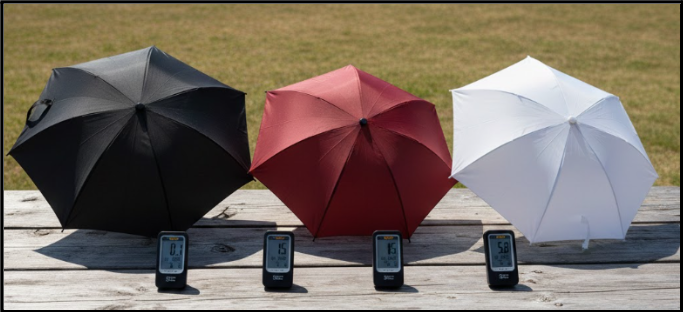
When sunlight blazes down and the air trembles with heat, an umbrella turns into far more than a rainy-day tool. It becomes a pocket of shade, a moving shelter against glare and burn. Yet not every canopy guards equally. The color floating above your head quietly decides how much protection you truly get. Most people pick what pleases the eye, not realizing that color changes everything, from heat to mood to UV defense.
How Colors Command and Tame Sunlight
Every shade speaks a language of light. Darker tones like black, navy, and forest green gulp sunlight whole. They trap UV radiation inside the weave, keeping it from reaching your skin. Pale hues such as white, pearl, and lemon reflect more, but their loose weaves can let radiation sneak through.
Still, there’s balance in this color game. Dark shades defend fiercely but gather warmth quickly. Light tones stay cool but might falter under harsh rays. The best protection often blooms from a darker canopy woven tightly enough to hold its ground, strong yet breathable, bold yet bearable.
Stand under a navy umbrella on a summer noon, and the shade feels dense, almost serene. The air beneath cools more slowly, but your skin remains safe from UV. Color, it seems, doesn’t just decorate, it dictates comfort.
Fabrics That Outsmart the Sun
Umbrellas have evolved beyond stitched fabric on sticks. Designers now blend artistry with physics. Some weave UV-absorbing threads directly into polyester. Others coat fibers with invisible shields that block nearly all radiation. This innovation gave birth to UPF-rated materials, short for Ultraviolet Protection Factor.
UPF measures how much UV slips through. A UPF 50+ canopy blocks roughly 98% of rays. That’s the kind of protection mountain climbers and sailors rely on. If the tag doesn’t mention UPF, assume basic defense only. When it does, you’re holding science in your hand which is woven for safety, designed for elegance.
For maximum coverage, consider a sun umbrella with a dark-toned, UPF-treated canopy. It guards against radiation, softens glare, and lets you walk comfortably through even the fiercest daylight.
How Each Color Performs Beneath the Sky
Each hue interacts differently with sunlight and air.
- Black: The strongest defender. It absorbs UV completely, creating a solid wall. Yet it traps warmth faster. Best for extremely bright climates where shade is a priority.
- Navy Blue: A balanced guardian. It resists rays, but doesn’t heat up too quickly. Ideal for daily commutes.
- Forest Green: Gentle on the eyes, soothing in feel. Performs well in medium sunlight, especially during late afternoons.
- Silver or Metallic: Reflective brilliance. These colors bounce sunlight away, reducing both glare and temperature beneath. Excellent for beaches and open spaces.
- Beige or Pastels: Stylish and soft. They feel cool but require UV-blocking material to ensure safety.
Color also influences psychology. A deep tone feels grounding and a bright one sparks vitality. Choosing a canopy, therefore, becomes part science and part self-expression. It mirrors your rhythm and your environment.
When Fabric Density and Coating Make the Difference
Even the richest color can fail without the right weave. Fabric density determines how much sunlight filters through. Tightly woven nylon or polyester performs best, forming a barrier invisible to the eye but strong enough to resist the sun’s sting.
Add a coating, silver on top, black underneath, and the difference becomes dramatic. The double layer stops heat transfer and cuts glare from reflective surfaces like sand or water. It’s small engineering, but it changes how shade feels.

Where Fashion and Function Blend Effortlessly
Umbrellas now belong as much on streets as on beaches. They’ve turned into daily style partners, compact, polished, and mood-matching. A deep charcoal canopy pairs with office wear; a blush-toned one softens weekend outfits.
Designers now sculpt handles that fit your grip and ribs that bend without breaking. The right umbrella not only guards but complements your movement. Whether you stroll downtown or rest by a lake, its silhouette becomes an extension of your poise.
Color, again, plays a quiet role here. A pastel umbrella feels breezy and a bold black one carries authority. Your choice shape how you appear under the sky.
A Shade That Travels With You
Packing for a trip often means choosing what to leave behind. But a good umbrella earns its spot. Compact models fold small, weigh less, and open wide. They slip into handbags, backpacks, even glove compartments. On sunny boulevards or humid trails, they bloom like instant relief.
Those who explore often know the value of a strong, portable shield. For them, a travel umbrella bridges freedom and protection. Light to carry, quick to open, and durable against wind, it becomes a loyal travel partner. It’s a small addition that prevents big discomforts, burnt skin, fatigue, or glare headaches.
Why Choosing the Right Shade Matters More Than You Think
The right umbrella color is a quiet investment in well-being. Sunlight can soothe, but overexposure steals youth from skin and energy from spirit. A carefully chosen canopy guards more than complexion, it guards confidence.
It’s easy to underestimate something so simple. Yet the right umbrella changes how we experience the world. It softens harsh noons, preserves energy, and keeps you moving with grace.
Brands like Weatherman Umbrella have refined this balance of science and style. Their creations are engineered to face gusts, glare, and downpours without flinching. They design not for weather alone, but for the people who live beneath it.

Tren Twins Height: Introduction and Popularity

Johnny Depp Net Worth: Earnings Breakdown and Career Highlights

Ricki Lake Net Worth: How She Built Her Fortune Over the Years

Taj Cross Age: Everything You Need to Know About the Rising Star

Nathan Fillion Net Worth: How He Built His Fortune Over Time

Nicholas Hoult Wife: Relationship History and Current Status

Jordan C. Brown Net Worth: A Comprehensive Look at His Career, Wealth, and Influence

Matthew Gray Gubler Net Worth: How He Built His Fortune Over the Years

Mandy Patinkin Wife: Love, Family, and Marriage Details

Sam Sulek Net Worth: How the YouTube Star Built His Digital Empire
Tren Twins Height: Introduction and Popularity
Johnny Depp Net Worth: Earnings Breakdown and Career Highlights
Ricki Lake Net Worth: How She Built Her Fortune Over the Years
Taj Cross Age: Everything You Need to Know About the Rising Star
Nathan Fillion Net Worth: How He Built His Fortune Over Time
Nicholas Hoult Wife: Relationship History and Current Status
Jordan C. Brown Net Worth: A Comprehensive Look at His Career, Wealth, and Influence
Matthew Gray Gubler Net Worth: How He Built His Fortune Over the Years
Mandy Patinkin Wife: Love, Family, and Marriage Details
Sam Sulek Net Worth: How the YouTube Star Built His Digital Empire
-

 Celebrity1 year ago
Who Is Steve Cena? All About John Cena’s Brother and His Life
-

 Celebrity12 months ago
Who Is Drew Pritchard? TV Presenter, Antique Dealer & Rebecca Pritchard’s Ex-Husband
-

 Celebrity1 year ago
Who is Nadia Farmiga? All You Need to Know About Vera Farmiga’s Sister
-

 Uncategorized1 year ago
Who is Janet Gayle? All About Gary Burghoff’s Ex-Wife