
Tech
Backup Camera Technology: Improving On-Road Awareness for Every Vehicle

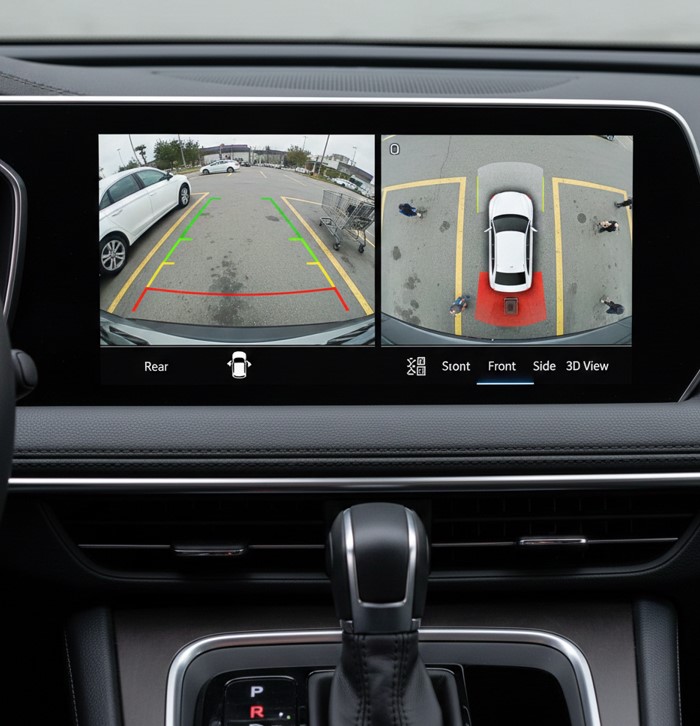
The story of the Backup Camera begins in the late 20th century, when automotive engineers recognized that rear visibility was one of the greatest challenges faced by drivers. Early prototypes were developed in concept vehicles during the 1980s and 1990s, but the technology was far from ready for mainstream adoption. The first widely known implementation appeared in a luxury car in the early 2000s, marking the point when the reversing camera truly entered public consciousness. These initial models were fairly simple, providing basic video feeds that helped drivers spot obstacles directly behind the vehicle. Although limited in resolution and reliability, these early devices laid the foundation for the advanced systems we rely on today.
Education & Personal Development (How the Technology Evolved)
Just like a person gaining experience, the Backup Camera improved significantly through technological “education.” Over time, engineers enhanced its optics, video quality, and durability. High-definition lenses replaced early grainy cameras, offering clearer visibility in low light. Wide-angle lenses appeared next, giving drivers a broader field of view that reduced blind spots. Infrared night vision, weather-resistant housing, and grid-line guidance systems became standard features, revealing how the backup camera evolved from a basic optical tool into an intelligent, multi-functional safety device. As vehicle technology continued to advance, the camera integrated with complex driver-assistance systems, benefiting from continuous development similar to professional growth.
Career Beginnings (First Uses in Vehicles)
The Backup Camera began its “career” within high-end vehicles where technology was used primarily for luxury appeal. Early adoption was modest, as many drivers were unfamiliar with the concept and viewed it as optional rather than necessary. However, as awareness grew and the benefits became undeniable, mid-range and eventually entry-level vehicles began to adopt reversing cameras as standard equipment. Fleet vehicles, delivery trucks, RVs, and commercial vans soon followed, recognizing that improved rear visibility could significantly reduce collisions, workplace accidents, and insurance claims. Its widespread use officially marked the beginning of its active role in enhancing road safety.
Rise to Public Recognition (Becoming Mandatory in Modern Cars)
The Backup Camera reached the height of its recognition when governments around the world began enforcing regulations requiring rear-view cameras in new vehicles. In the United States, the mandate took effect in 2018, making backup cameras compulsory in all new passenger vehicles. Other regions quickly adopted similar laws, acknowledging the technology’s role in preventing back-up accidents, especially involving children and pedestrians. This moment marked a turning point, elevating the camera from a helpful accessory to a universal standard for responsible and safe vehicle design.
Professional Achievements (Impact on Road Safety)
Among its many achievements, the Backup Camera stands out as one of the most significant contributors to modern automotive safety. Rear-end collisions and back-over accidents have decreased sharply in vehicles equipped with rear-view cameras. In addition to its original purpose of improving visibility, the camera now assists with parallel parking, trailer hitch alignment, tight maneuvering, and avoiding obstacles in crowded environments. The integration of colored path lines and distance markers helps drivers gauge proximity, while advanced systems combine camera feeds with sensor alerts for even greater protection. These contributions highlight its professional achievements in safeguarding drivers, passengers, pedestrians, and property.
Age, Physical Appearance & Personal Traits (Design, Size, Look)
In a biography format, the Backup Camera can be seen as a compact, sharp-eyed device with a keen sense of awareness. Its “age” spans roughly 20–30 years since its earliest experimental forms. Its physical appearance is typically small—often no larger than a thumb—housed in durable casing designed to withstand weather conditions, dirt, moisture, and vibrations. It possesses traits such as precision, clarity, and adaptability, displaying a wide field of vision and quick responsiveness. While small in size, its visual capabilities and functionality are far from minor, proving that powerful performance can come from even the smallest of devices.
Also Read This:- GM Apple CarPlay Retrofit Kit Removal: What Happened and What It Means for Owners
Relationships & Personal Life (How It Works with Sensors, Displays, and Drivers)
In this personified narrative, the Backup Camera maintains close relationships with several other automotive technologies. It partners seamlessly with dashboard monitors, which act as its communication channel to the driver. Parking sensors reinforce its abilities, providing auditory cues that complement the camera’s visual information. In more advanced vehicles, the camera collaborates with cross-traffic alerts, automated parking systems, and blind-spot detection tools. Together, these relationships form a supportive network that ensures drivers have complete awareness when reversing or maneuvering. This interconnected “personal life” reflects how different technologies cooperate to create a safer driving experience.
Major Challenges & Turning Points (Weather, Blind Spots, Technology Improvements)
Throughout its development, the Backup Camera has faced challenges that shaped its progress. Weather conditions such as rain, snow, and fog often interfered with early camera clarity. At night, early systems struggled with visibility due to low-quality sensors. Blind spots, lens glare, and poor angles also created limitations. These challenges pushed developers to create more advanced solutions: waterproof housings, heated lenses, LED illumination, IR night vision, fish-eye lenses, and smarter mounting angles. Turning points came with the introduction of dynamic guidelines, 360-degree camera systems, and AI-enhanced obstacle detection, each solving long-standing issues and improving performance dramatically.
Current Life, Projects & Future Goals (Latest Features + AI Integration)
Today, the Backup Camera enjoys a central role in modern vehicle safety ecosystems. Its current capabilities include HD video feeds, night vision, motion detection, and real-time trajectory overlays. It is increasingly involved in advanced driver-assistance systems (ADAS), where it helps automate parking and detect cross-traffic movement behind the vehicle. Looking toward the future, its goals include deeper integration with AI, enabling real-time object recognition, hazard prediction, and automated driving support. As autonomous vehicles grow in prominence, the backup camera is expected to become even more intelligent, contributing to a fully connected safety network.
Impact, Legacy & Public Influence (How It Changed Driving Habits)
The legacy of the Backup Camera is marked by its undeniable impact on global driving habits. It has taught drivers to rely on technology for accuracy, reducing the risk of accidents caused by limited rear visibility. It has become a standard part of driver education, influencing how people learn to reverse, park, and navigate tight spaces. Its presence has normalized rear-view displays inside vehicles and paved the way for multi-angle camera systems. Ultimately, the backup camera has left a lasting influence on automotive design, public safety, and consumer expectations.
Comparison With Other Safety Technologies
When compared to other safety technologies, the Backup Camera shines due to its simplicity, accuracy, and direct visual feedback. Unlike parking sensors, which offer only sound cues, a reversing camera provides a clear real-time visual. Unlike blind-spot monitors, it focuses specifically on the rear field of view, which is often the most challenging angle for drivers. While 360-degree cameras offer broader coverage, they depend heavily on the rear-view camera as one of their essential components. This makes the backup camera unique: simple yet powerful, straightforward yet highly effective.
Also Read This:- How to Handle Water-Damaged Phones Without Overpromising
Final Thoughts
The Backup Camera has evolved into a technology that enhances safety, supports confident driving, and integrates seamlessly with modern automotive systems. Its progression from luxury option to standard feature reflects its vital role in preventing accidents and improving everyday driving experiences. With AI rapidly advancing, the future promises even more innovative capabilities.
Conclusion
In conclusion, the Backup Camera stands among the most influential vehicle safety advancements of the modern era. Its history, evolution, challenges, and broad impact highlight its importance in shaping safer transportation for drivers worldwide. As technology continues to advance, the backup camera will remain at the forefront of automotive safety innovation.
FAQs About Backup Camera
What is a Backup Camera used for?
A Backup Camera helps drivers see behind their vehicle while reversing, preventing collisions and improving parking accuracy.
Is a Backup Camera required in new vehicles?
In many countries, including the United States, new vehicles must include a rear-view camera as standard safety equipment.
How does a Backup Camera work?
It captures real-time video of the area behind the vehicle and displays it on the dashboard screen to improve visibility.
Can I install a Backup Camera on an older vehicle?
Yes, many aftermarket reversing camera kits are available for older cars, trucks, and SUVs.
What features should I look for in a Backup Camera?
Look for wide-angle lenses, night vision, waterproofing, HD resolution, and parking guidelines.
Does weather affect a Backup Camera?
Extreme weather can impact visibility, but modern cameras have heaters, coatings, and waterproof housings to improve performance.
How do parking sensors work with a Backup Camera?
Sensors provide audio alerts while the camera provides visual guidance, creating a more comprehensive safety system.
Do Backup Cameras help with trailer hitching?
Yes, they make aligning trailers much easier by giving a precise rear view.
Can a Backup Camera fail?
Yes, issues like wiring faults, moisture, or dirt on the lens can reduce performance, but these are usually easy to resolve.
Are wireless Backup Cameras reliable?
Modern wireless cameras are highly reliable and easier to install, though wired versions may offer slightly better consistency.
More Info And Buzz Visit: Dodge Buzz

Tren Twins Height: Introduction and Popularity

Johnny Depp Net Worth: Earnings Breakdown and Career Highlights

Ricki Lake Net Worth: How She Built Her Fortune Over the Years

Taj Cross Age: Everything You Need to Know About the Rising Star

Nathan Fillion Net Worth: How He Built His Fortune Over Time

Nicholas Hoult Wife: Relationship History and Current Status

Jordan C. Brown Net Worth: A Comprehensive Look at His Career, Wealth, and Influence

Matthew Gray Gubler Net Worth: How He Built His Fortune Over the Years

Mandy Patinkin Wife: Love, Family, and Marriage Details

Sam Sulek Net Worth: How the YouTube Star Built His Digital Empire
Tren Twins Height: Introduction and Popularity
Johnny Depp Net Worth: Earnings Breakdown and Career Highlights
Ricki Lake Net Worth: How She Built Her Fortune Over the Years
Taj Cross Age: Everything You Need to Know About the Rising Star
Nathan Fillion Net Worth: How He Built His Fortune Over Time
Nicholas Hoult Wife: Relationship History and Current Status
Jordan C. Brown Net Worth: A Comprehensive Look at His Career, Wealth, and Influence
Matthew Gray Gubler Net Worth: How He Built His Fortune Over the Years
Mandy Patinkin Wife: Love, Family, and Marriage Details
Sam Sulek Net Worth: How the YouTube Star Built His Digital Empire
-

 Celebrity1 year ago
Who Is Steve Cena? All About John Cena’s Brother and His Life
-

 Celebrity12 months ago
Who Is Drew Pritchard? TV Presenter, Antique Dealer & Rebecca Pritchard’s Ex-Husband
-

 Celebrity1 year ago
Who is Nadia Farmiga? All You Need to Know About Vera Farmiga’s Sister
-

 Uncategorized1 year ago
Who is Janet Gayle? All About Gary Burghoff’s Ex-Wife