
Tech
Understanding Engine Bearing Failures: Causes, Warning Signs, and Long-Term Solutions

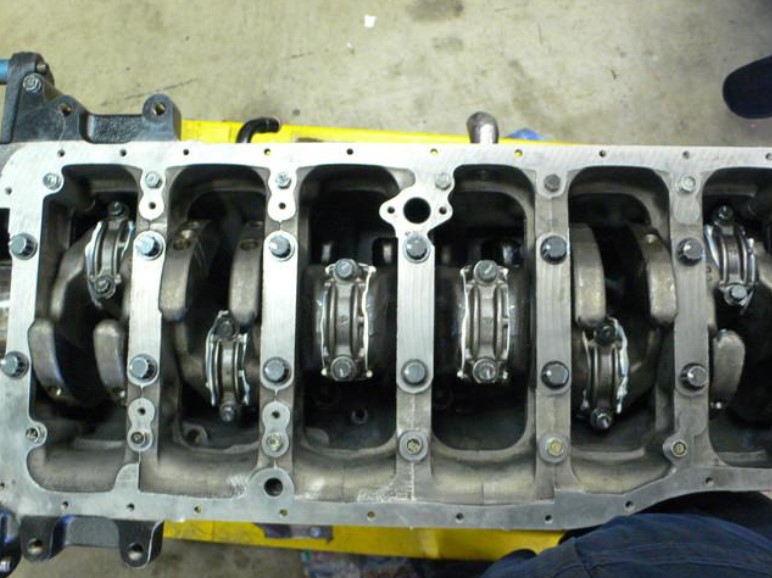
Engines are built on precision, and few components reflect that more clearly than bearings. These small yet critical parts manage friction, support moving components, and ensure smooth rotation under intense pressure. When bearings fail, the consequences can escalate quickly—from subtle performance loss to catastrophic engine damage. Whether you’re working with diesel systems, agricultural machinery, or heavy-duty industrial engines, understanding bearing behavior is essential for reliability and longevity.
This article breaks down the fundamentals of engine bearing failures, explores their causes, and highlights practical maintenance strategies that professionals rely on in real-world applications.
The Role of Bearings in Engine Performance
Bearings serve as the interface between moving metal parts, typically the crankshaft and connecting rods. Their job is to reduce friction while supporting heavy loads generated during combustion. In high-performance or diesel engines, these loads are significantly higher, placing even greater stress on bearing surfaces.
Unlike other components, bearings rely entirely on a thin film of oil for lubrication. This hydrodynamic layer prevents direct metal-to-metal contact. Any disruption in this oil film—whether due to contamination, pressure loss, or heat—can rapidly lead to wear and failure.
Why Diesel Engines Are More Vulnerable
Diesel engines operate under higher compression ratios compared to gasoline engines. This creates greater forces on internal components, especially bearings. Add to that extended operating hours and heavy loads in industrial or agricultural environments, and the risk of bearing degradation increases significantly if maintenance is neglected.
Common Causes of Bearing Failure
Most bearing failures don’t happen suddenly—they develop over time due to a combination of mechanical and environmental factors. Identifying these causes early can prevent costly repairs.
Oil Contamination
Dirt, metal particles, or coolant entering the lubrication system can damage bearing surfaces. Even microscopic debris can create scoring, reducing the bearing’s ability to maintain a proper oil film.
Insufficient Lubrication
Low oil levels, incorrect viscosity, or oil pump failure can interrupt lubrication. Without adequate oil pressure, bearings quickly overheat and wear out.
Improper Installation
Incorrect torque settings, misalignment, or poor clearance measurements during assembly can lead to uneven load distribution. This often results in premature wear patterns and localized overheating.
Excessive Load or Overheating
Engines operating beyond their intended capacity—common in heavy equipment—can place excessive stress on bearings. High temperatures further weaken the oil film, accelerating deterioration.
Warning Signs You Shouldn’t Ignore
Experienced technicians often catch bearing issues early by recognizing subtle changes in engine behavior. Ignoring these signs can lead to severe damage.
Knocking or Tapping Sounds
A distinct knocking noise, especially under load, is often one of the first indicators of bearing wear. This sound results from increased clearance between moving parts.
Drop in Oil Pressure
As bearings wear, oil escapes more easily through increased clearances, causing a noticeable drop in pressure.
Metal Particles in Oil
Shiny or metallic debris in engine oil is a clear sign of internal wear. Routine oil analysis can detect these particles before major damage occurs.
Agricultural Machinery and Bearing Maintenance
In agricultural environments, engines face unique challenges—dust, long operating hours, and variable loads. Tractors and harvesting equipment depend heavily on engine durability, making bearing maintenance a top priority.
For those working on farming equipment, understanding the difference between main vs rod bearings is particularly valuable. Each type plays a distinct role in engine stability, and their wear patterns can reveal underlying issues within the system. Regular inspections and timely replacements can significantly extend engine life in demanding agricultural operations.
Best Practices for Farm Equipment
Routine oil changes, proper filtration, and seasonal inspections are essential. Given the harsh conditions, even minor lapses in maintenance can lead to accelerated bearing wear. Operators should also monitor engine load and avoid prolonged overworking during peak seasons.
Modern Engine Controls and Their Impact
Today’s engines are increasingly managed by electronic control systems that optimize performance and efficiency. These systems can indirectly affect bearing longevity by regulating fuel injection, timing, and load distribution.
For example, throttle control systems play a key role in managing engine response. A deeper look at systems like electronic throttle control in modern engines shows how precise input management can reduce unnecessary strain on internal components, including bearings. Better control translates to smoother operation and less mechanical stress over time.
Industry Challenges and Evolving Standards
The automotive and industrial sectors continue to face challenges related to emissions regulations and diesel engine performance. These changes often influence engine design, including bearing materials and lubrication systems.
Recent developments highlighted in this report on diesel engine regulatory issues show how evolving policies can impact engine reliability and maintenance costs. As manufacturers adapt, technicians must stay informed about new materials, tolerances, and service requirements.
Preventive Maintenance Strategies
Preventing bearing failure is far more cost-effective than repairing engine damage. A proactive approach can significantly reduce downtime and extend equipment lifespan.
Regular Oil Analysis
Testing oil samples provides insight into internal engine conditions. It helps detect contamination and early wear before symptoms become visible.
Use of High-Quality Lubricants
Choosing the correct oil grade and maintaining proper viscosity ensures a stable lubrication film under varying temperatures and loads.
Scheduled Inspections
Routine checks of oil pressure, temperature, and engine noise can identify issues early. Preventive maintenance schedules should be strictly followed, especially in high-demand environments.
Conclusion
Engine bearings may be small, but their role in overall performance is critical. From diesel engines to agricultural machinery, their condition directly affects reliability, efficiency, and longevity. Understanding the causes of failure, recognizing early warning signs, and adopting preventive maintenance practices can save significant time and cost in the long run.
As engine technology continues to evolve, staying informed and proactive remains the best strategy. Whether you’re managing a fleet, maintaining farm equipment, or working in industrial repair, a deeper understanding of bearing systems will always pay off.

Understanding Engine Bearing Failures: Causes, Warning Signs, and Long-Term Solutions

Why Auto Dealerships Require a Different Approach to Security Planning

Tren Twins Height: Introduction and Popularity

Johnny Depp Net Worth: Earnings Breakdown and Career Highlights

Ricki Lake Net Worth: How She Built Her Fortune Over the Years

Taj Cross Age: Everything You Need to Know About the Rising Star

Nathan Fillion Net Worth: How He Built His Fortune Over Time

Nicholas Hoult Wife: Relationship History and Current Status

Jordan C. Brown Net Worth: A Comprehensive Look at His Career, Wealth, and Influence

Matthew Gray Gubler Net Worth: How He Built His Fortune Over the Years
Understanding Engine Bearing Failures: Causes, Warning Signs, and Long-Term Solutions
Why Auto Dealerships Require a Different Approach to Security Planning
Tren Twins Height: Introduction and Popularity
Johnny Depp Net Worth: Earnings Breakdown and Career Highlights
Ricki Lake Net Worth: How She Built Her Fortune Over the Years
Taj Cross Age: Everything You Need to Know About the Rising Star
Nathan Fillion Net Worth: How He Built His Fortune Over Time
Nicholas Hoult Wife: Relationship History and Current Status
Jordan C. Brown Net Worth: A Comprehensive Look at His Career, Wealth, and Influence
Matthew Gray Gubler Net Worth: How He Built His Fortune Over the Years
-

 Celebrity2 years ago
Who Is Steve Cena? All About John Cena’s Brother and His Life
-

 Celebrity2 years ago
Who Is Drew Pritchard? TV Presenter, Antique Dealer & Rebecca Pritchard’s Ex-Husband
-

 Celebrity2 years ago
Who is Nadia Farmiga? All You Need to Know About Vera Farmiga’s Sister
-

 Uncategorized2 years ago
Who is Janet Gayle? All About Gary Burghoff’s Ex-Wife