
Tech
Next-Gen Tech Solutions for Home Network Setup

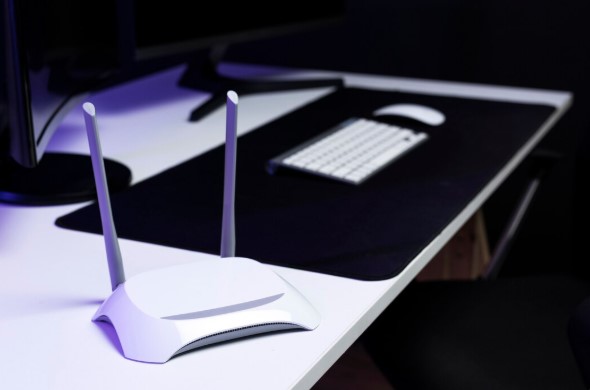
A modern home network setup plays a central role in how households use technology today. From streaming ultra-HD content to connecting dozens of smart devices, a powerful network ensures seamless digital experiences. As new wireless standards, faster bandwidth options, and smarter technologies emerge, having a next-generation setup is crucial for stability, speed, and long-term reliability.
Understanding the Basics: What a Home Network Setup Includes
A complete home network setup includes several essential components working together to deliver strong connectivity throughout the home. At the core is the router, which distributes internet access to all connected devices. The modem bridges your ISP’s signal to your home, while switches expand wired connections for desktops, TVs, and gaming systems. Access points extend wireless coverage, ensuring every room benefits from consistent performance. Understanding these core elements helps homeowners build a foundation for a powerful network.
Essential Hardware: Routers, Modems, Switches & Access Points
Modern network performance relies heavily on choosing the right hardware. A next-gen router with Wi-Fi 6 or Wi-Fi 7 dramatically boosts speed and reduces latency, especially in homes with many devices. Pairing this with a high-quality modem ensures your network receives your ISP’s full bandwidth. Switches are essential for users who prefer wired stability, offering better speed consistency for PCs and consoles. Meanwhile, access points improve wireless coverage in large or multi-level homes, forming the backbone of an efficient home network setup.
Next-Gen Standards: Wi-Fi 6, Wi-Fi 7 & Multi-Gig Internet
Emerging wireless standards are transforming home networking. Wi-Fi 6 introduces improved bandwidth handling, enabling smoother performance for smart homes with heavy device usage. Wi-Fi 7, the new frontier in wireless networking, delivers ultra-fast speeds, lower latency, and multi-link operation for unparalleled stability. Additionally, multi-gig internet plans and 2.5G or 10G routers are paving the way for future-ready networks. Embracing these standards ensures your home can handle growing digital demands without slowdown or interference.
Also Read This:- Backup Camera Technology: Improving On-Road Awareness for Every Vehicle
Optimizing Network Layout for Maximum Coverage
A strong home network setup is not just about good hardware — placement matters. Routers should be positioned centrally and elevated for optimal signal distribution. Walls, metal appliances, and thick floors can weaken wireless performance, so keeping the router away from obstructions improves range. For multi-story homes, strategically placed access points or mesh nodes ensure coverage reaches every corner. Planning your network layout intentionally helps minimize dead zones and boosts overall reliability.
Smart Home Compatibility and IoT Device Integration
Smart home devices rely heavily on a stable network. Whether it’s voice assistants, security cameras, smart lights, or thermostats, each device communicates through your home network setup. To support them efficiently, homeowners need routers capable of handling multiple connections at once without bandwidth drops. Features like device prioritization help essential devices perform their best, while dual-band or tri-band routers create dedicated channels for smart gadgets. Ensuring compatibility across all systems makes your home more seamless and efficient.
Security Essentials: Firewalls, Encryption & Password Protocols
Security is one of the most critical aspects of modern networking. A strong home network setup should include advanced protection features such as firewalls, WPA3 encryption, and strong unique passwords. Activating security logs, automatic updates, and network monitoring helps defend your devices from unauthorized access. Many next-gen routers now include built-in malware filters and intrusion prevention, giving households an extra layer of defense. A secure network protects everything from personal data to smart home devices.
Mesh Systems vs. Traditional Routers: Which Is Better?
When building a powerful network, homeowners often compare mesh systems and traditional routers. A traditional router works well for small to medium spaces with fewer obstacles. However, mesh systems use multiple nodes to blanket the entire home with strong and consistent Wi-Fi coverage, making them perfect for large homes or properties with many walls. Mesh networks offer seamless roaming, meaning devices stay connected without drops as you move around. For next-generation performance, mesh systems are becoming a preferred solution for future-ready homes.
Also Read This:- Tech Insights: Sandbox VR Changing Multiplayer Experiences
Troubleshooting Common Connectivity Issues
Even the best home network setup can face occasional issues. Slow speeds may stem from outdated hardware, network congestion, or interference from nearby devices. Connectivity drops are often caused by weak signal zones, router placement problems, or overloaded channels. Restarting your hardware, updating firmware, or switching Wi-Fi channels often resolves basic problems. Upgrading to a more advanced router or adding access points can help long-term. Being aware of these solutions ensures your network stays strong and stable.
Advanced Features: VLANs, QoS, Guest Networks & Parental Controls
Next-generation routers now offer advanced capabilities that improve both performance and management. VLANs allow users to segment their network for added security, ideal for smart home devices. QoS (Quality of Service) prioritizes bandwidth for essential activities like gaming, video conferencing, or streaming. A dedicated guest network keeps visitors separate from your main system, reducing security risks. Parental controls provide safe browsing options for children. These features give homeowners greater control over their full home network setup.
Future-Proofing Your Home Network Setup
As technology evolves, preparing your home network setup for the future becomes crucial. Investing in routers with Wi-Fi 6 or Wi-Fi 7 ensures compatibility with upcoming devices. Multi-gig ports, fiber-ready modems, and AI-powered optimization tools keep your network stable as demands grow. Smart home ecosystems continue to expand, meaning homes will require stronger bandwidth, better security, and more coverage solutions. A future-ready network not only supports current needs but also adapts to new advancements.
Top Recommended Devices & Tools for Next-Gen Networking
Choosing the right devices can significantly enhance your network. Popular routers like the latest Wi-Fi 6/7 models deliver exceptional performance. Mesh systems from well-known brands provide whole-home coverage with effortless setup. High-speed modems support multi-gig internet, ensuring you get the speeds you pay for. Tools like network analyzers help you monitor performance, while cable testers ensure wired connections work properly. Combining the right equipment builds a strong foundation for your home network setup.
Conclusion: Building a Reliable and Future-Ready Home Network
A powerful home network setup is essential for today’s connected lifestyle, supporting everything from entertainment to work and smart home integration. By choosing the right hardware, adopting next-gen wireless standards, optimizing layout, and prioritizing security, homeowners can create a network that is fast, stable, and ready for the future. As technology evolves, upgrading your setup ensures your home stays connected, efficient, and protected for years to come.
FAQs
What equipment do I need for a strong home network?
A router, modem, access points or mesh nodes, and optional switches are key components.
How can I improve weak Wi-Fi signals?
Place your router centrally, remove obstructions, or add mesh nodes.
Is Wi-Fi 6 worth upgrading to?
Yes, it offers faster speeds, better stability, and improved handling of multiple devices.
Why is network security important at home?
It protects your data, devices, and smart home systems from unauthorized access.
Do mesh systems replace traditional routers?
Yes, mesh systems function as a router replacement and offer better whole-home coverage.
More Info And Buzz Visit: Dodge Buzz

Understanding Engine Bearing Failures: Causes, Warning Signs, and Long-Term Solutions

Why Auto Dealerships Require a Different Approach to Security Planning

Tren Twins Height: Introduction and Popularity

Johnny Depp Net Worth: Earnings Breakdown and Career Highlights

Ricki Lake Net Worth: How She Built Her Fortune Over the Years

Taj Cross Age: Everything You Need to Know About the Rising Star

Nathan Fillion Net Worth: How He Built His Fortune Over Time

Nicholas Hoult Wife: Relationship History and Current Status

Jordan C. Brown Net Worth: A Comprehensive Look at His Career, Wealth, and Influence

Matthew Gray Gubler Net Worth: How He Built His Fortune Over the Years
Understanding Engine Bearing Failures: Causes, Warning Signs, and Long-Term Solutions
Why Auto Dealerships Require a Different Approach to Security Planning
Tren Twins Height: Introduction and Popularity
Johnny Depp Net Worth: Earnings Breakdown and Career Highlights
Ricki Lake Net Worth: How She Built Her Fortune Over the Years
Taj Cross Age: Everything You Need to Know About the Rising Star
Nathan Fillion Net Worth: How He Built His Fortune Over Time
Nicholas Hoult Wife: Relationship History and Current Status
Jordan C. Brown Net Worth: A Comprehensive Look at His Career, Wealth, and Influence
Matthew Gray Gubler Net Worth: How He Built His Fortune Over the Years
-

 Celebrity2 years ago
Who Is Steve Cena? All About John Cena’s Brother and His Life
-

 Celebrity2 years ago
Who Is Drew Pritchard? TV Presenter, Antique Dealer & Rebecca Pritchard’s Ex-Husband
-

 Celebrity2 years ago
Who is Nadia Farmiga? All You Need to Know About Vera Farmiga’s Sister
-

 Uncategorized2 years ago
Who is Janet Gayle? All About Gary Burghoff’s Ex-Wife