
Business
Commercial Plumbing: Solutions for Reliable Business Operations

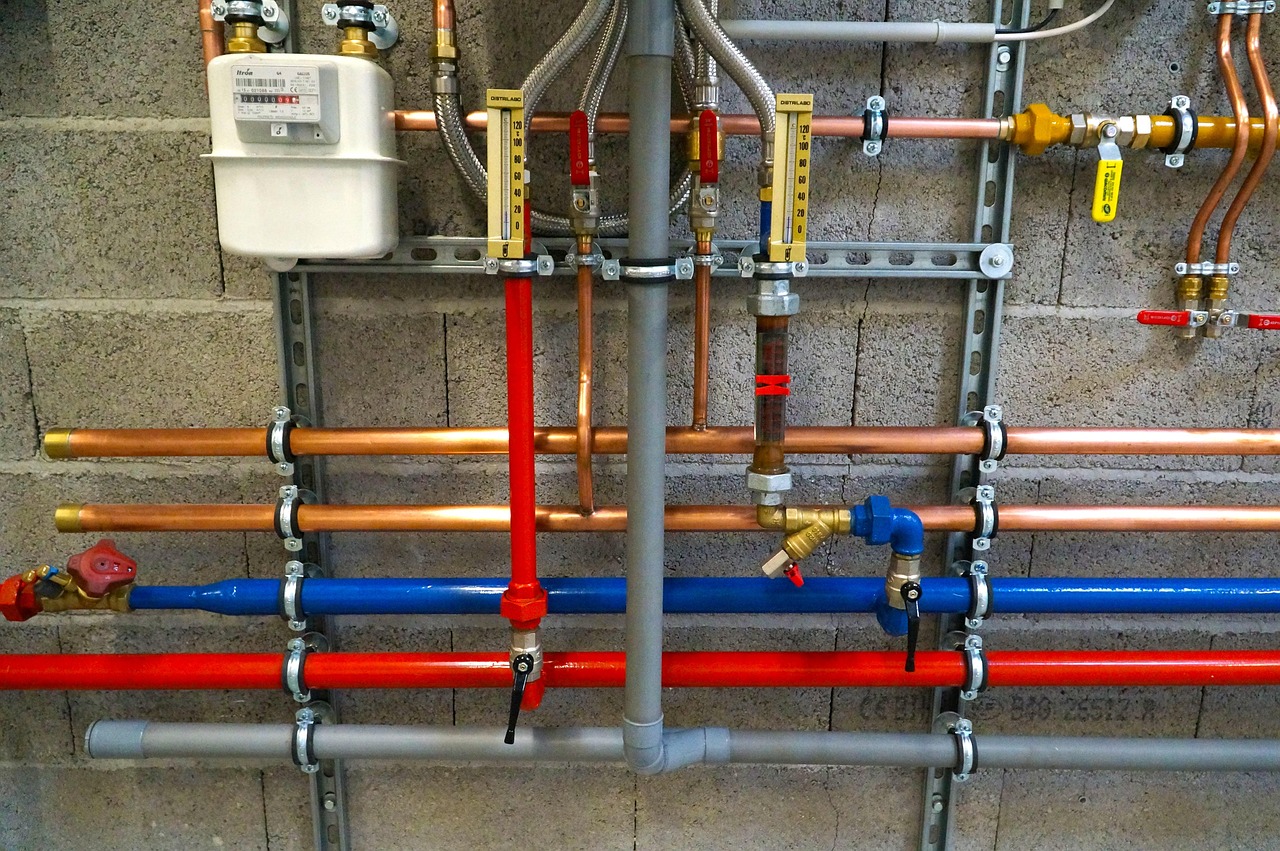
Every business depends on a well-functioning plumbing system, but many owners rarely think about it until something goes wrong. Whether it’s a restaurant, office, warehouse, retail center, or industrial facility, reliable Commercial Plumbing ensures smooth daily operations, safe water flow, and a clean environment. With the right maintenance strategies and expert support, companies can avoid costly downtime and keep their infrastructure running at its best.
Biography of the Commercial Plumbing Expert
To better understand the world of Commercial Plumbing, this article follows the expertise of Michael Turner, a respected master plumber known for solving complex plumbing problems in large buildings and demanding environments. Michael is a highly trusted figure, recognized by businesses for his ability to diagnose issues quickly and restore operations without unnecessary delays. Throughout his career, he has helped thousands of companies maintain smooth-running plumbing systems that meet safety standards and support business needs.
Age and Background of the Plumbing Expert
At 42 years old, Michael brings decades of hands-on experience to his commercial clients. He grew up fascinated by mechanical systems and water flow, helping his father repair pipes and fixtures from a young age. After completing technical school with a specialization in plumbing design, he worked under senior professionals who taught him the importance of precision, patience, and compliance with building codes. Over time, Michael earned advanced certifications, eventually becoming a master plumber trusted for large-scale projects like hospitals, corporate offices, and multi-level commercial buildings.
Physical Appearance and Professional Presence
Michael’s physical appearance reflects the nature of his work. With a strong build, steady posture, and calm expression, he brings a sense of confidence to every job site. He typically wears durable work gear, protective equipment, and a neatly kept uniform that signals professionalism. His communication style is direct and reassuring, helping clients feel informed rather than overwhelmed. On-site, he moves with purpose—an expert who knows exactly what to look for inside complex Commercial Plumbing systems. His presence alone often reassures business owners that their property is in good hands.
Personal Life and Relationships
Outside work, Michael is a devoted husband and father. His wife, a school administrator, and their young daughter encourage his dedication to safety and responsibility in his career. He also maintains strong relationships with colleagues, apprentices, and mentors who shaped his growth. These relationships keep him grounded and inspire him to share his knowledge with younger professionals entering the commercial plumbing field. His personal life reinforces his commitment to ensuring buildings remain safe and functional for the people who use them daily.
Importance of Commercial Plumbing in Modern Buildings
Modern businesses rely on Commercial Plumbing for far more than sinks and toilets. The plumbing system supports sanitation, water supply, heating systems, fire suppression infrastructure, and overall building safety. A malfunction can shut down operations, halt production lines, or create hazardous working conditions. Restaurants need reliable water flow and grease traps. Hotels depend on strong water pressure and well-maintained hot water systems. Offices require efficient drainage and leak-free lines. A well-planned plumbing system prevents contamination, protects equipment, reduces costs, and ensures compliance with health regulations. Simply put, commercial plumbing is a critical backbone of any modern facility.
Types of Commercial Plumbing Systems
Commercial buildings contain complex plumbing networks, each designed to handle heavy usage and demanding environments. Drainage systems manage wastewater flow from kitchens, bathrooms, and industrial areas. Water supply systems ensure clean, pressurized water reaches every level of the building. Grease traps are essential for restaurants and commercial kitchens to prevent clogs. Industrial piping handles chemicals, steam, or high-volume water flow. Gas lines require specialized installation due to safety concerns. Commercial fixtures such as heavy-duty faucets, toilets, and water heaters are engineered to resist wear and support constant use. Understanding these systems helps businesses detect early warning signs and plan effective maintenance.
Also Read This:- The Top Property Features Buyers Are Prioritising in 2025 – Estate Agents in Orpington Share Trends
Key Services Included in Commercial Plumbing
Professional plumbers provide a wide range of services that keep Commercial Plumbing systems functioning properly. Installation services ensure new pipes, fixtures, and systems meet building codes and safety standards. Routine maintenance helps identify leaks, corrosion, or pressure issues before they escalate. Pipe repair is essential for addressing burst lines, cracked pipes, or rusted components. Leak detection using advanced tools prevents water loss and structural damage. Water heater services are crucial for facilities that require consistent hot water. Backflow testing protects potable water from contamination. Emergency plumbing services offer rapid response when urgent issues arise, ensuring facilities can resume operations quickly.
Common Issues in Commercial Plumbing
Even the best systems experience problems due to heavy use and age. Clogged drains are among the most common issues, often caused by debris, grease buildup, or improper disposal practices. Pipe corrosion can weaken pipelines, leading to leaks or bursts. Pressure fluctuations may indicate blockages, leaks, or malfunctioning regulators. Faulty water heaters cause inconsistent temperatures and disrupt daily operations. Sewer backups can create hazardous environments and require immediate professional attention. Over time, system wear becomes unavoidable, making regular inspections essential. Understanding these issues allows businesses to act quickly before problems escalate into costly repairs.
How to Evaluate a Commercial Plumbing System
Proper evaluation of Commercial Plumbing systems ensures safety, efficiency, and longevity. The inspection process begins with checking water pressure to see if it meets building needs. Professionals examine visible pipes for signs of corrosion, leaks, or improper installation. Drainage flow is tested to identify slow draining or potential blockages. Backflow prevention devices must be assessed for proper functioning. Compliance checks ensure the system meets local building codes and safety standards. Camera inspections provide a detailed view of internal pipe conditions without excavation. Michael encourages businesses to schedule annual assessments to maintain optimal system performance.
Modern Technologies Used in Commercial Plumbing
Technology has transformed the way Commercial Plumbing is managed and maintained. Smart leak detectors use sensors to alert managers of water irregularities before damage spreads. High-efficiency fixtures reduce water waste and lower utility costs. Trenchless repair technology allows plumbers to fix underground pipes without digging, saving time and protecting landscapes. Camera inspections give real-time visual access to internal pipe conditions. Automated water systems regulate pressure, temperature, and flow for improved consistency. These modern tools make plumbing systems more efficient, reliable, and easier to monitor, helping businesses avoid disruptions.
Expert Tips for Maintaining Commercial Plumbing Systems
Michael recommends several key practices for keeping Commercial Plumbing systems healthy. Regular maintenance schedules should be followed to identify issues early. Drains must be cleaned consistently, especially in high-use areas like kitchens or restrooms. Monitoring water usage can reveal leaks or inefficiencies. Updating outdated pipes and fixtures improves performance and reduces long-term costs. Installing water-efficient appliances lowers monthly expenses while supporting sustainability. Businesses should also train staff on proper disposal practices to prevent clogs. Finally, establishing a trusted relationship with a professional plumber ensures fast response times during emergencies.
Also Read This:- London Property Finders Explained: How They Help You Secure the Right Home
Conclusion
A smooth-running Commercial Plumbing system is essential for any successful business. With the right knowledge, preventive care, and expert guidance, companies can protect their property, reduce operating costs, and maintain a safe environment for employees and customers. Whether installing new systems, inspecting existing lines, or responding to emergencies, professional plumbing support ensures reliability and long-term performance. By following expert advice and staying proactive, building owners can enjoy stress-free operations and avoid costly disruptions.
FAQs
What is considered commercial plumbing?
Plumbing systems used in businesses, large buildings, industrial facilities, and multi-unit properties.
How is commercial plumbing different from residential?
It involves larger systems, higher usage demands, and more complex regulations.
Why do businesses need regular plumbing maintenance?
It prevents costly downtime, leaks, and safety hazards.
What are common commercial plumbing issues?
Clogged drains, burst pipes, water heater failures, and sewer line problems.
Do commercial plumbers handle emergency services?
Yes, many offer 24/7 emergency repairs to keep operations running.
How often should commercial plumbing be inspected?
At least once a year, or more for high-traffic businesses.
Can commercial plumbers install specialized equipment?
They can install grease traps, backflow preventers, industrial water heaters, and more.
Why is backflow prevention important?
It protects your water supply from contamination or reverse flow.
Do commercial buildings require special plumbing permits?
Yes, most commercial projects must meet strict codes and inspections.
How can a business reduce plumbing downtime?
Routine maintenance, early repairs, and upgrading old systems help avoid disruptions.
More Info And Buzz Visit: Dodge Buzz

Understanding Engine Bearing Failures: Causes, Warning Signs, and Long-Term Solutions

Why Auto Dealerships Require a Different Approach to Security Planning

Tren Twins Height: Introduction and Popularity

Johnny Depp Net Worth: Earnings Breakdown and Career Highlights

Ricki Lake Net Worth: How She Built Her Fortune Over the Years

Taj Cross Age: Everything You Need to Know About the Rising Star

Nathan Fillion Net Worth: How He Built His Fortune Over Time

Nicholas Hoult Wife: Relationship History and Current Status

Jordan C. Brown Net Worth: A Comprehensive Look at His Career, Wealth, and Influence

Matthew Gray Gubler Net Worth: How He Built His Fortune Over the Years
Understanding Engine Bearing Failures: Causes, Warning Signs, and Long-Term Solutions
Why Auto Dealerships Require a Different Approach to Security Planning
Tren Twins Height: Introduction and Popularity
Johnny Depp Net Worth: Earnings Breakdown and Career Highlights
Ricki Lake Net Worth: How She Built Her Fortune Over the Years
Taj Cross Age: Everything You Need to Know About the Rising Star
Nathan Fillion Net Worth: How He Built His Fortune Over Time
Nicholas Hoult Wife: Relationship History and Current Status
Jordan C. Brown Net Worth: A Comprehensive Look at His Career, Wealth, and Influence
Matthew Gray Gubler Net Worth: How He Built His Fortune Over the Years
-

 Celebrity1 year ago
Who Is Steve Cena? All About John Cena’s Brother and His Life
-

 Celebrity1 year ago
Who Is Drew Pritchard? TV Presenter, Antique Dealer & Rebecca Pritchard’s Ex-Husband
-

 Celebrity1 year ago
Who is Nadia Farmiga? All You Need to Know About Vera Farmiga’s Sister
-

 Uncategorized1 year ago
Who is Janet Gayle? All About Gary Burghoff’s Ex-Wife